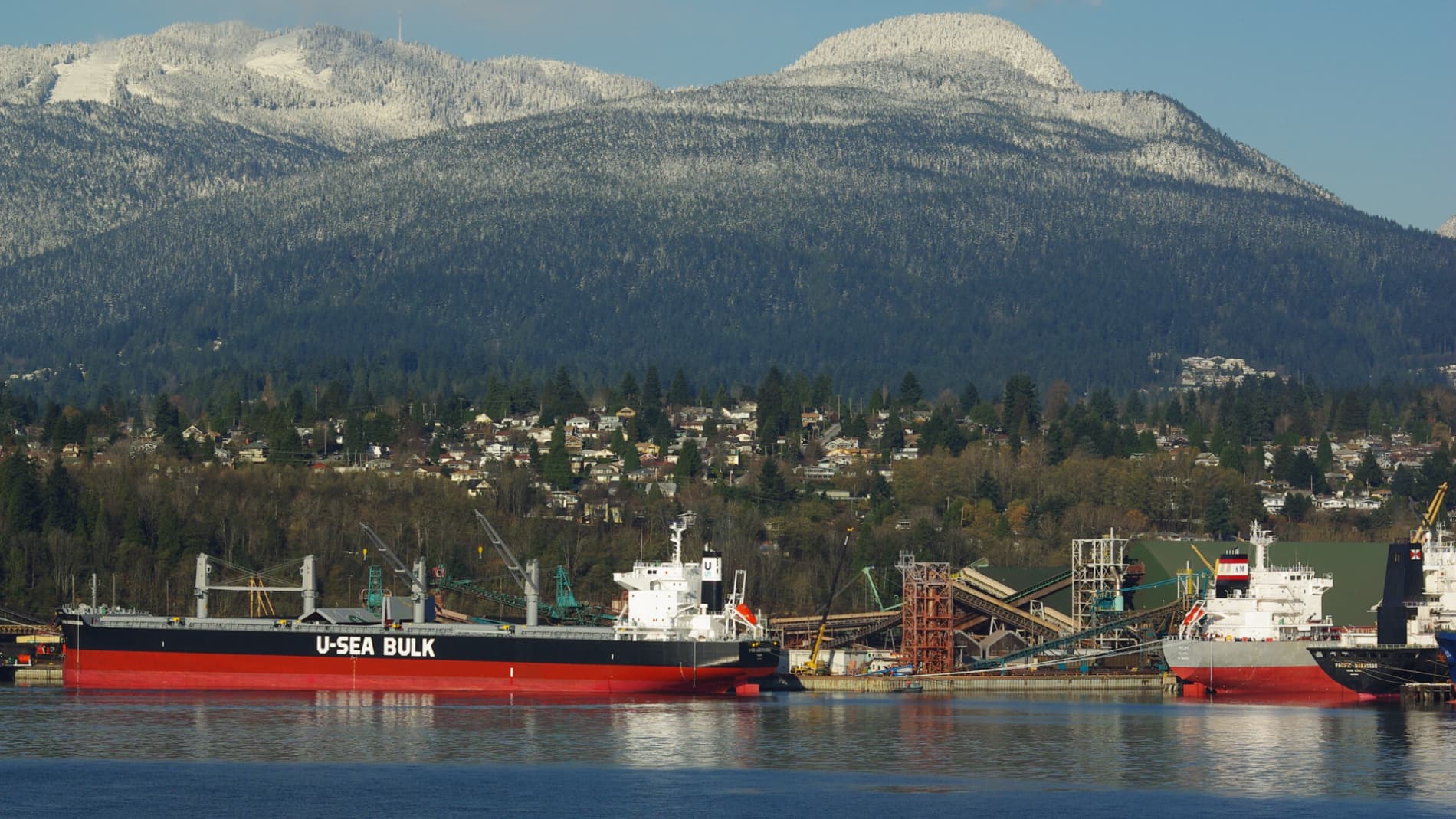
How Skylock helped Neptune Terminals turn an unanswered question into a measured airspace security program.
CLIENTNeptune Terminals
LOCATIONVancouver, Canada
TECHNOLOGY COLLABORATIONSkylock + Dedrone
PROJECT REVIEWJanuary 2024
NEPTUNE TERMINALS · VANCOUVER, CANADA
WHAT THE BASELINE REVEALED
5,000+
observations in the project dataset
~5 years
of data, beginning February 2019
3.0
average alerts per day reported
Historical figures reported in Skylock’s January 2024 project review. Observations and alerts are not counts of unique drones or confirmed security incidents.
01 / THE CHALLENGE
A working terminal. An unseen layer of risk.
Neptune’s planning team identified concerns around worker safety, unauthorized aerial footage, potential infrastructure incidents and oversight of approved drone use. They needed an evidence base to understand the activity around the terminal.
The first objective was straightforward: detect and measure. Establish operational awareness before making decisions about a more advanced response capability.
02 / SKYLOCK’S ROLE
Make the program work on the ground.
Skylock brought the technology and implementation work together, supporting procurement, deployment, system testing and the people who would use it.
Hardware and software sourcing
On-site configuration, sensor tuning and testing
Training and user documentation for Neptune personnel
Daily monitoring and weekly reports during the initial test period
Consolidated results and recommendations for the next phase
03 / THE EVIDENCE
A baseline for better decisions.
The January 2024 review summarized a dataset of more than 5,000 observations collected since February 2019. It reported an average of 3.0 alerts a day and highlighted activity outside normal working hours, including nights and weekends.
These findings made the discussion more specific: what was being detected, when it was happening and which additional capabilities would be useful. The assessment gave the team evidence to inform the next investment.
04 / THE NEXT PHASE
Let the findings guide the roadmap.
The Phase 2 proposal explored drone location and flight tracking, optical verification and closer integration with security response procedures. These were proposed enhancements in the review, not outcomes established by the Phase 1 data.
For other terminals, the lesson is practical: understand the activity around your site, build the operational capability to use that information, then expand in response to demonstrated needs.
“Unauthorized drones at Neptune Terminals threaten the safety of our workers, our facilities, and daily operations.”
Systems Specialist, Neptune Terminals Published by Dedrone in its Neptune customer case study.
Sources: Skylock’s January 2019 kickoff presentation and January 2024 Neptune Phase 2 planning review; Dedrone’s 2021 airspace security report. The original Dedrone customer case study credited Skylock’s installation and training role.
YOUR NEXT MOVE
Know your risk. Own your next step.
A clearer picture of your airspace starts with a conversation. Let’s understand what your site needs.